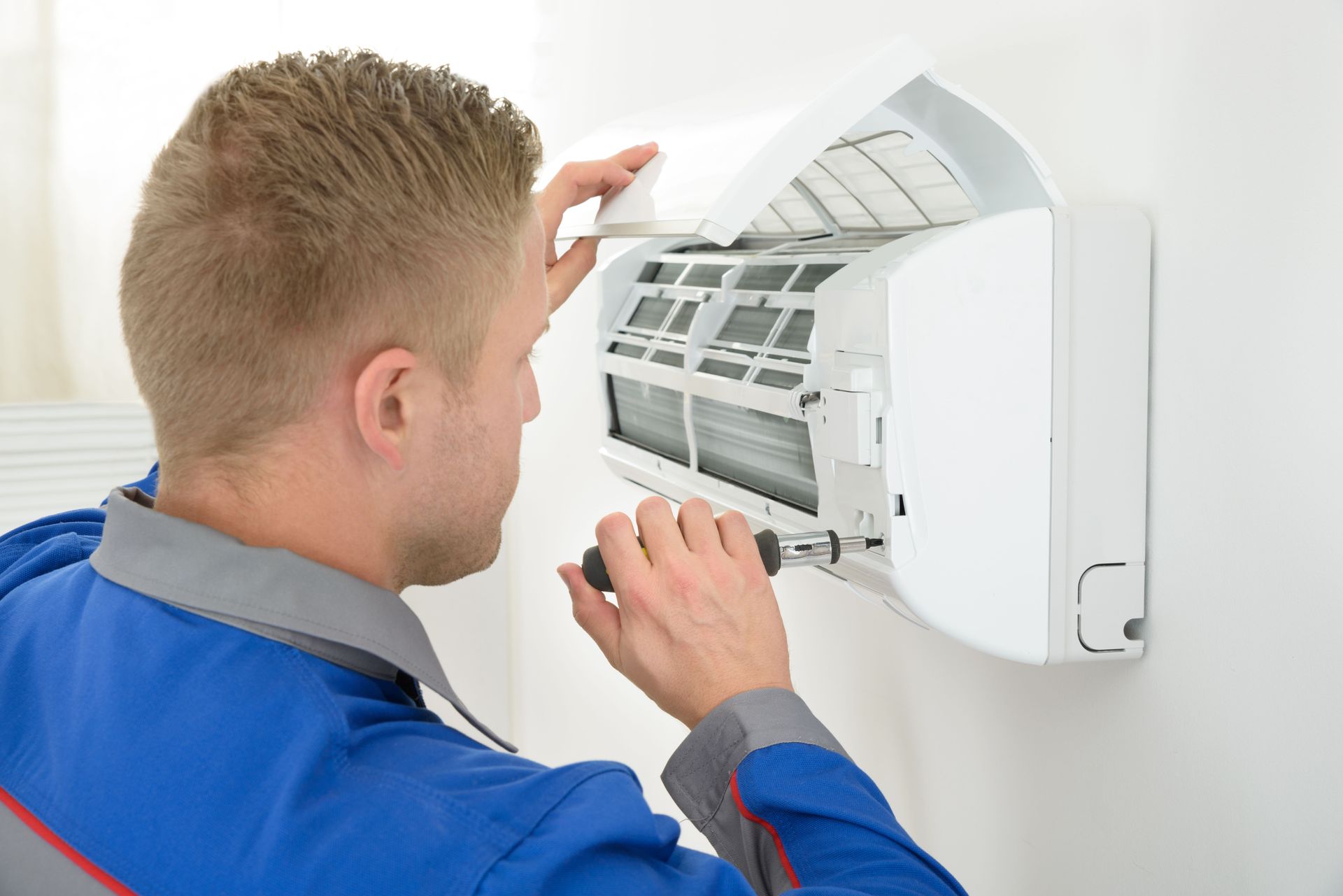
Maintaining a comfortable indoor environment during extreme heat requires a fully functional cooling system capable of delivering consistent temperature control. When household cooling equipment begins to fail, subtle performance changes often serve as early indicators that internal components are suffering from wear or mechanical distress. Ignoring minor operational irregularities can turn manageable system adjustments into severe mechanical breakdowns that disrupt daily comfort and compromise household safety. Property owners who pay close attention to environmental changes within their living spaces can address underlying mechanical issues before total equipment failure occurs. Recognizing key performance shifts allows homeowners to schedule timely professional evaluations and restore optimal cooling performance. Requesting professional AC repair at the earliest sign of trouble preserves equipment longevity, maintains indoor air quality, and prevents unnecessary household stress during peak cooling seasons.
Observing Warm Air Discharge
According to Workyard, U.S. consumers spend $10B+ annually on HVAC repairs and maintenance. This substantial financial investment highlights how frequently cooling systems require professional attention across the nation to maintain operational efficiency. A major indicator that a cooling system requires immediate attention occurs when warm air blows directly from supply vents while the thermostat is set to cool. When an air conditioner circulates warm or lukewarm air throughout living spaces, internal components such as the compressor or refrigerant lines may be compromised. Low refrigerant levels, frozen evaporator coils, or faulty electrical relays can all prevent the equipment from absorbing heat effectively from indoor air. Continuing to run a cooling system in this impaired condition places severe stress on the compressor, potentially leading to total system failure. Promptly scheduling AC repair when warm air discharge occurs ensures that technicians can diagnose fluid leaks or electrical malfunctions before permanent damage develops.
Warm airflow can also stem from clogged air filters, restricted outdoor condenser units, or failing thermostat sensors that fail to communicate accurate temperature readings to the central control board. When air filters accumulate heavy layers of dust, pet dander, and airborne debris, airflow across the evaporator coil drops significantly, causing internal temperatures to plunge and ice to form. As ice builds up along the metal coils, heat transfer stops entirely, causing supply vents to release warm air into interior rooms. Homeowners should never attempt to handle chemical refrigerant leaks or electrical diagnostics independently, as these complex tasks require specialized tools and technical expertise. Relying on certified technicians for comprehensive AC repair guarantees that refrigerant levels are restored safely and electrical controls are fully recalibrated for reliable performance.
Detecting Restricted Air Circulation
Weak or restricted airflow emerging from ceiling vents or wall registers is another clear signal that an air conditioning system is struggling to maintain proper circulation. When air volume drops noticeably across multiple rooms, the blower motor may be losing electrical power, or internal fan blades may be coated in heavy debris. Restricted airflow prevents cool air from reaching distant areas of the home, creating unpleasant temperature variances and forcing the system to run constantly without achieving desired comfort levels. Over time, continuous operation strains mechanical bearings and increases overall electrical consumption, resulting in elevated utility expenses for property owners. Requesting timely AC repair restores proper air movement and prevents secondary mechanical damage across the entire ventilation network.
In addition to motor issues, obstructed ductwork can drastically reduce airflow throughout living spaces. Duct segments can collapse, detach at connection joints, or become severely clogged with accumulated dust, mold, or pest debris over extended periods of operation. When air pathways are blocked, static pressure within the ventilation system rises, placing severe stress on the primary air handler. Professional technicians utilize specialized static pressure gauges and inspection cameras to locate air restrictions within hidden duct runs. Arranging for expert AC repair allows technicians to seal leaking duct connections, clear internal blockages, and balance air distribution so every room receives adequate cooling comfort during hot weather.
Hearing Unusual Mechanical Sounds
Cooling systems are designed to operate relatively quietly, producing only a gentle hum when the compressor and outdoor fan engage. When an air conditioning unit suddenly produces loud, harsh, or unfamiliar mechanical noises, internal components are likely suffering from severe friction, loose alignment, or electrical arcing. Screeching or squealing sounds often indicate worn fan belts or failing motor bearings that require immediate lubrication or replacement. Metal grinding noises suggest that internal compressor bearings have failed, while persistent rattling sounds may point to loose hardware, fan blade imbalance, or debris trapped inside the outdoor cabinet. Ignoring these auditory warning signs typically leads to catastrophic component failure, turning simple mechanical fixes into expensive equipment replacement projects. Prompt AC repair stops further mechanical destruction and restores quiet operation to your living space.
Electrical issues within the outdoor condensing unit or indoor air handler can also create alarming noises, such as buzzing, clicking, or humming sounds. Rapid clicking noises occurring during system startup often signal a failing capacitor, a damaged contactor, or broken relay switches within the primary control panel. Buzzing sounds may originate from loose electrical wiring, failing fan motors, or arcing contactors, all of which pose significant fire hazards if left uncorrected. Experienced technicians possess the diagnostic equipment necessary to test electrical continuity, measure voltage loads, and replace failing control modules safely. Seeking professional AC repair when abnormal noise begins protects sensitive electronic circuits and prevents sudden electrical shutdowns during severe heat waves.
Sensing Unpleasant Indoor Odors
Foul, musty, or unusual odors emanating from supply vents indicate that biological growth or burnt electrical insulation is compromising the cooling system. Musty smells usually suggest that moisture is accumulating inside ductwork or along the evaporator coil, creating ideal conditions for mold, mildew, and bacteria to flourish. When condensation drain lines become clogged with algae or sludge, standing water overflows from the drain pan, soaking surrounding building materials and spreading unpleasant odors throughout the structure. Inhaling airborne mold spores can trigger respiratory discomfort, allergic reactions, and aggravated asthma symptoms for household occupants. Scheduling professional AC repair ensures that condensation pathways are thoroughly cleared, drain pans are disinfected, and coils are chemically cleaned to restore healthy indoor air quality.
Pungent burning odors emerging from vents present an immediate safety hazard that requires instant operational shutdown and expert evaluation. A sharp burning smell typically points to overheating motor windings, melted wire insulation, or severe friction along rotating mechanical assemblies. Continuing to operate a cooling system while burning odors are present increases the risk of electrical fires and permanent internal motor destruction. Technicians performing AC repair will isolate electrical circuits, replace scorched wiring harnesses, and restore safe power distribution throughout the system. Addressing unusual odors promptly protects physical property, preserves healthy indoor environments, and ensures safe equipment operation throughout the warmest summer months.
Recognizing early warning signs of cooling system distress is vital for maintaining consistent home comfort, protecting property health, and avoiding sudden equipment failure. Whether you notice warm air discharge, weak airflow circulation, alarming mechanical noises, or persistent indoor odors, addressing these operational symptoms quickly prevents minor flaws from becoming costly disasters. Investing in regular maintenance and timely professional care preserves system efficiency, lowers energy consumption, and extends the operational lifespan of your mechanical equipment. Partnering with certified cooling professionals guarantees that complex electrical and mechanical problems are diagnosed accurately and repaired safely. When you need dependable service and expert solutions to keep your home cool and comfortable throughout the year, contact this business: R-10 Heat & Air.